
How to Make a Hard Decision Without Regret
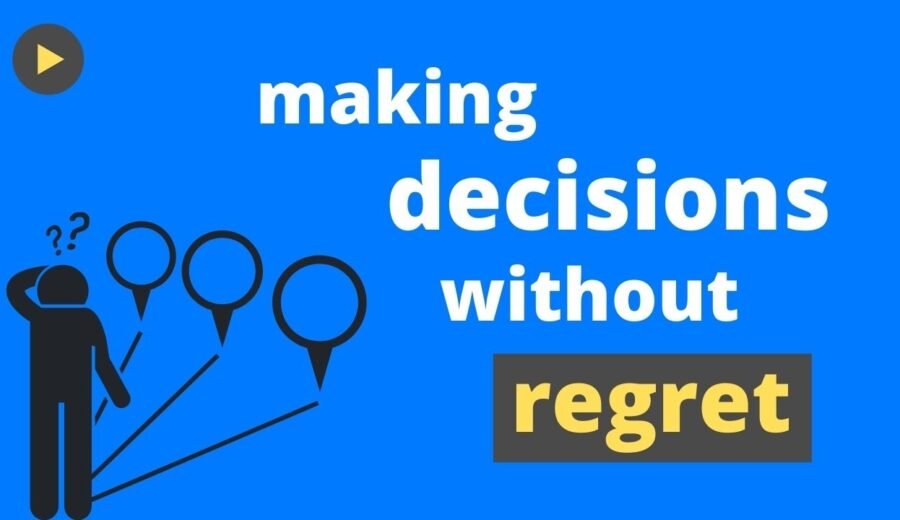
Some decisions feel like they split your life into “before” and “after.” A job change, moving cities, ending a relationship, starting a business, choosing a major. The pressure comes from one fear: regret. But you do not need perfect certainty to make a good decision. You need a decision you can stand behind.
Step 1: Define the real decision
Most “hard decisions” are actually messy bundles. Write one sentence that starts with:
“I am deciding whether to ______.”
If you cannot write it cleanly, you are not ready to decide.
Step 2: Separate facts from stories
List what you know for sure (facts). Then list what you are assuming (stories).
Facts: salary, location, timeline, responsibilities.
Stories: “I will fail,” “People will judge me,” “This is my last chance.”
Hard decisions become easier when you stop confusing fears with evidence.
Step 3: Choose your top three values for this season
Not “forever.” For this season. Examples: stability, growth, family time, health, freedom, learning.
A decision is clearer when you rank what matters most right now.
Step 4: Use the “future self” test
Ask: “If I choose option A for one year, what will my life look like?”
Then do the same for option B. Do not predict emotions. Describe daily reality: schedule, stress, relationships, skills.
Step 5: Pick the option you will respect later
Sometimes both options are good. Choose the one that makes you feel like a responsible adult, not a scared child. Respect lasts longer than excitement.
Step 6: Commit to a review date
Set a date to evaluate your choice: 30, 60, or 90 days.
Regret grows when decisions feel permanent. Most decisions are adjustable.
A strong decision is not the one that guarantees success. It is the one made with clarity, values, and a plan to adapt.